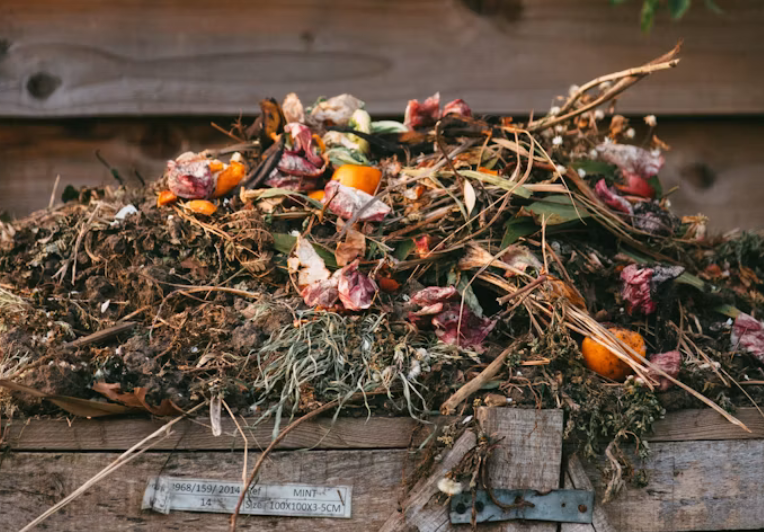
Composting is an easy yet profound act of stewardship that we can practice towards this Earth. When we return organic matter to the earth, we transform kitchen scraps and fallen foliage into nutrient-rich soil, closing the loop on waste and honouring the principle of bal tashchit—preventing unnecessary waste.
Building an organic, compost pile at home or in a community park plot is simple. Simply start with a balanced blend of greens and browns. Greens such as vegetable trimmings, spent tea leaves, and green garden weeds provide the soil with nitrogen. Then browns such as dry leaves, wood chips, and shredded unbleached cardboard supply carbon and keep the pile aerated. Ensure to avoid any avoid animal products, chemical-treated lawn clippings, synthetic fertilizers and roadside foliage to keep your compost completely vegan and organic.
If you don't have a private garden, consider partner with a local community garden or park project. Additionally collecting fallen autumn leaves from neighbourhood green spaces creates a ‘leaf mould’ which is an exceptional, free soil conditioner which supports fungal networks and soil biology. As microorganisms break down this matter, they build healthy soil structure that retains moisture and sequesters carbon. Composting isn't just waste management, but giving back to the earth that nourishes us.