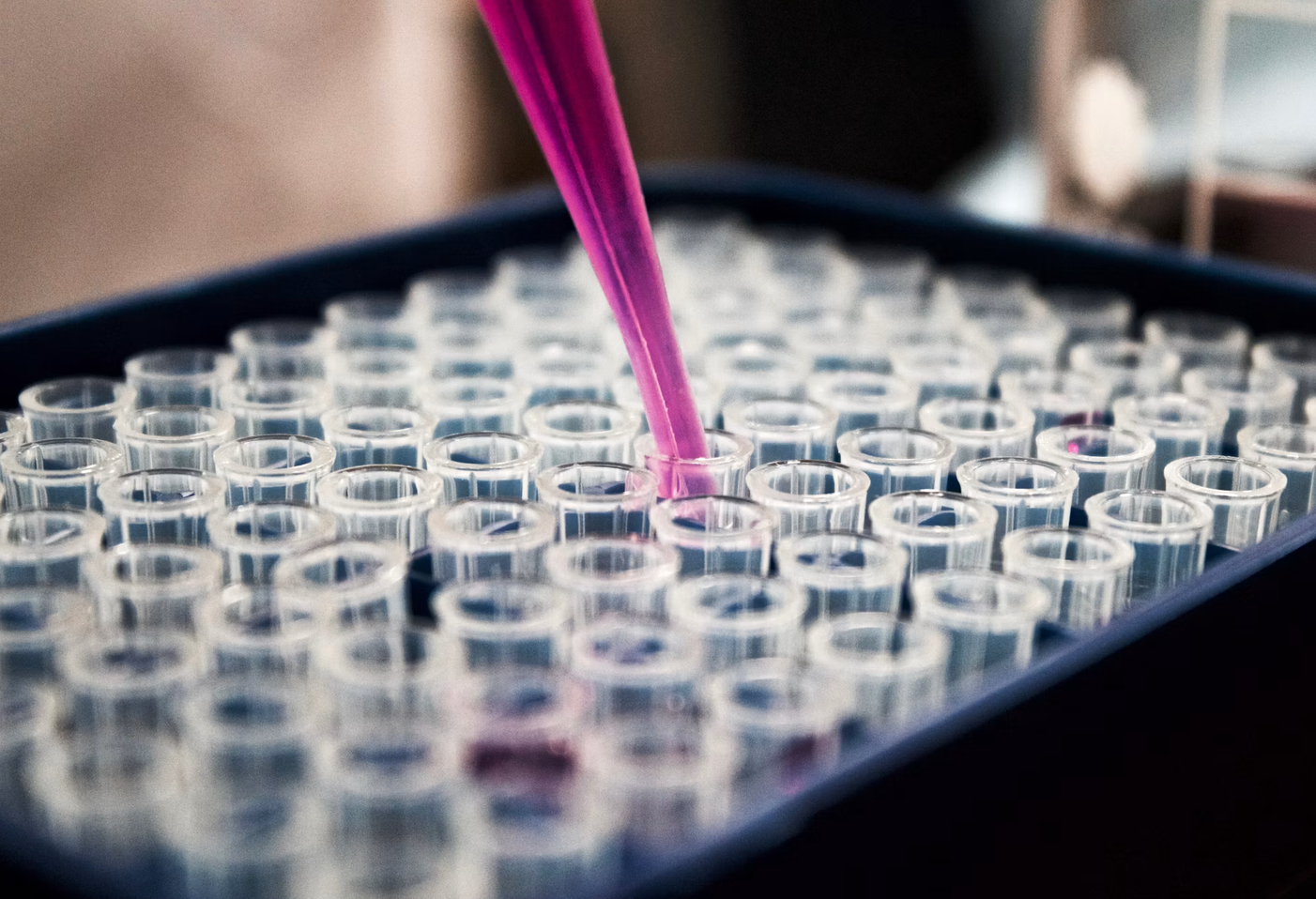
Recently the UK government has taken a significant step forward in the world of animal news. They have allocated targeted funding towards non-animal testing methods, signalling a clear message in favour of shifting modern scientific research. This investment focuses on scaling New Approach Methodologies (NAMs), including organ-on-a-chip technologies, cell-based human models, and advanced computational algorithms.
For decades, safety testing for pharmaceuticals and chemicals relied almost exclusively on animals, despite scientists’ understanding of the physiological differences between these species and humans. Meanwhile, human-relevant alternatives offer a far greater predictive ability for human research while removing the ethical atrocities of traditional laboratory testing. By directing our resources into bio-engineered human tissue systems, researchers can model drug toxicity and disease progression faster, more affordable, and far more reliably than animal studies would allow.
Beyond the ethical perspective, this government funding is also being considered a practical economic strategy by some. Positioning the UK as a global hub for human-centric laboratory research may attract biotechnology investment and consequently modernise regulatory approval systems. This funding towards more ethical research is an important step towards recognising that animals aren’t ours to do with as we please. Both animals and humans will benefit from modern, ethical testing and research; therefore, the UK government must continue to fund these projects and criminalise remaining animal testing laws.